Every January our clinic fills with people who have decided to change everything on Monday. By March, most have quietly stopped. The problem is never willpower — it is scale. A body that has moved little for years cannot absorb sudden heroics; it can absorb ten deliberate minutes, repeated until they feel automatic.
That is the prescription we write most often, and the one patients resist most: start embarrassingly small. A short walk after lunch. Five sit-to-stands during the kettle's boil. One balance exercise while the teeth get brushed. Small enough to survive a bad day is small enough to survive a year.
Habits that actually stick
- Anchor movement to existing routines — coffee brews, then you stretch calves. No decision, no debate.
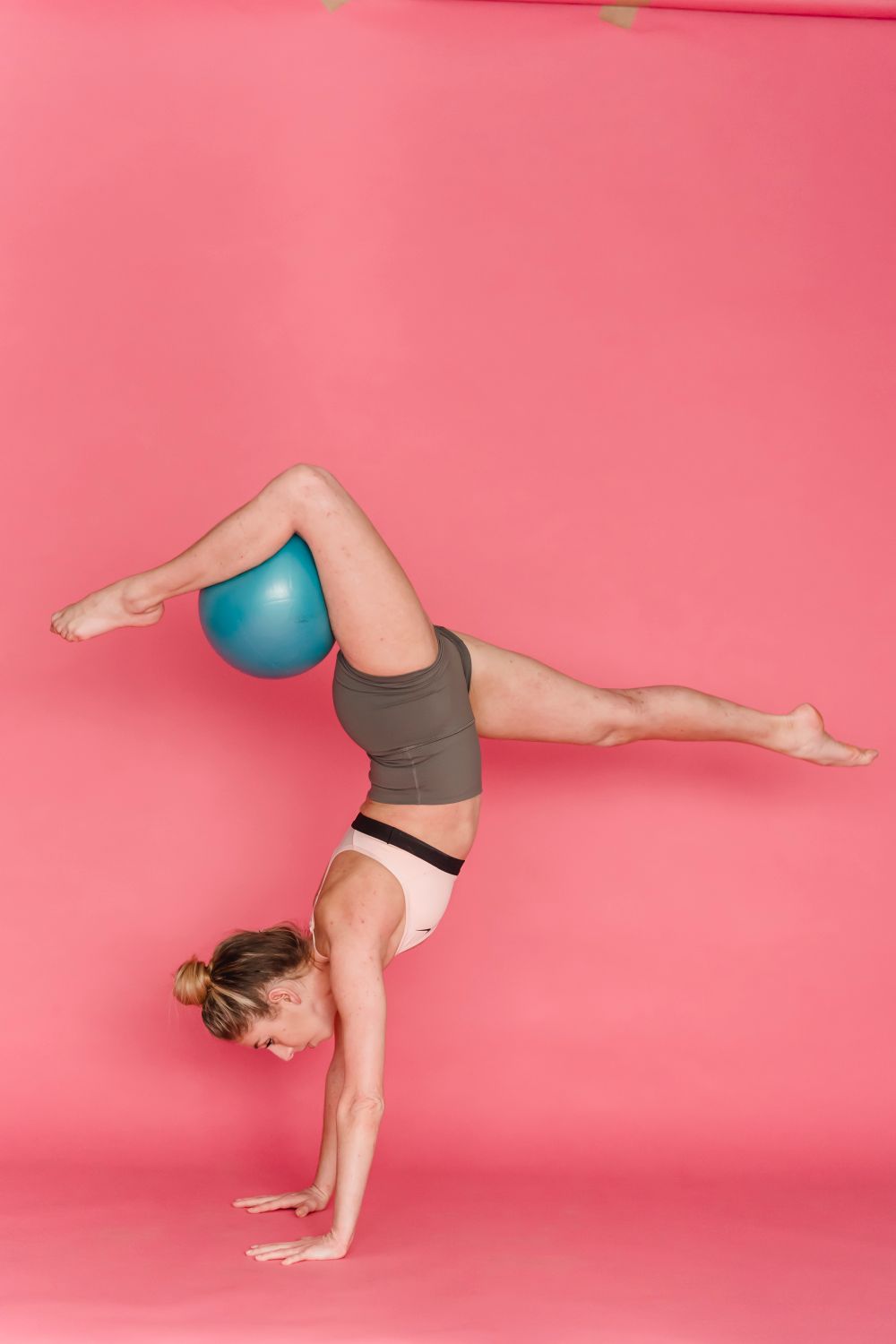
- Train balance before strength fades — single-leg stands and ball work cost minutes and prevent the falls that undo years of fitness.
- Track streaks, not scores — a calendar of crossed-off days motivates far longer than chasing personal bests.
- Sleep and steps outrank supplements — recovery basics beat any gadget we have ever tested in clinic.
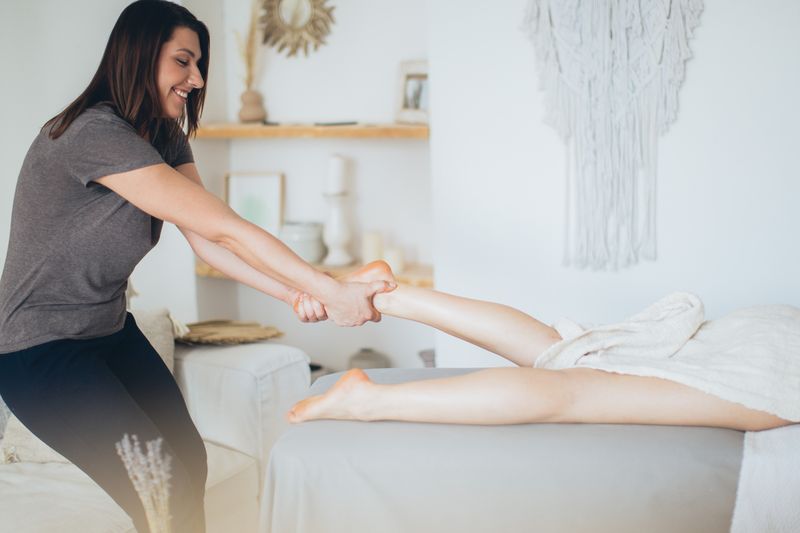
- Book a quarterly tune-up — a short therapist review catches bad patterns before they become injuries.
Lifestyle change is rehabilitation in slow motion: graded, consistent and honest about setbacks. Miss a day? The streak resumes tomorrow, no guilt required. Miss a month? That is what assessments are for — come in, recalibrate and restart at the right dose.
When habits need a professional eye
If pain, dizziness or breathlessness interrupt your routine, that is information, not failure. A screening distinguishes a habit problem (too much, too soon) from a medical one — and either way you leave with a plan sized to your life. Programmes like Balance Works exist precisely to turn fragile routines into durable ones.

Build a routine that lasts.
Book an assessment and get an exercise plan sized to your life, not someone else's highlight reel.
Book appointment